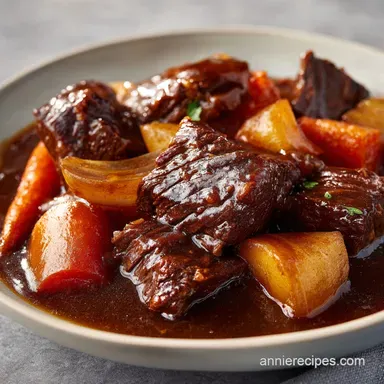
Beef Stew Classic One Pot Dinner: Rich and Tender
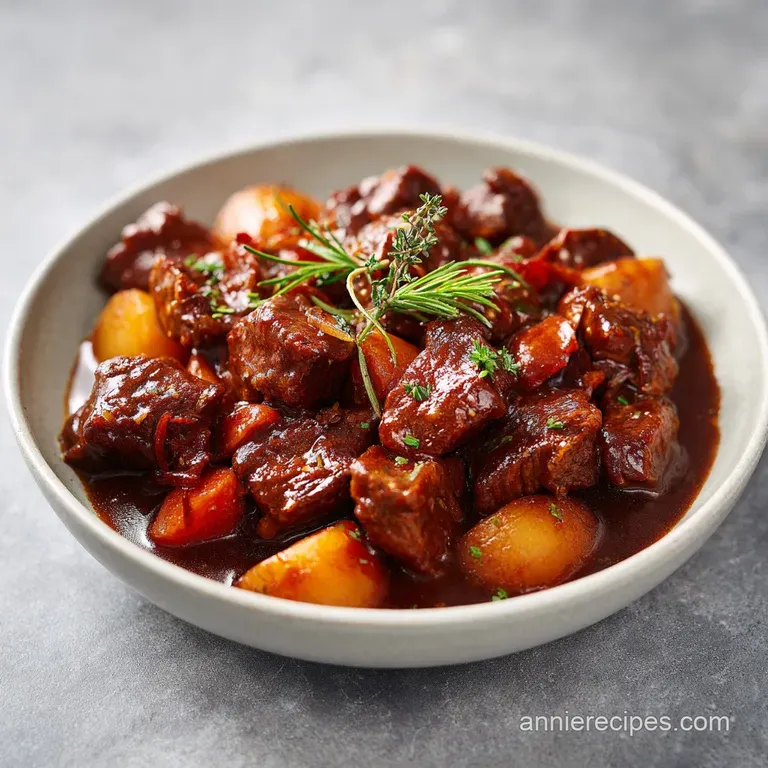
- Time:30 mins active + 150 mins simmering = Total 3 hours
- Flavor/Texture Hook: Velvety, thick gravy with fork tender beef
- Perfect for: Cold rainy nights, meal prep, or a cozy family Sunday
- Beef Stew Classic One Pot Dinner
- Secret to Tender Beef
- Component Analysis
- The Ingredient List
- Necessary Kitchen Tools
- Step by Step Guide
- Solving Common Problems
- Troubleshooting Common Issues
- Adjusting the Quantity
- Debunking Kitchen Myths
- Storage and Reheating
- Perfect Side Pairings
- High in Sodium
- Recipe FAQs
- 📝 Recipe Card
Beef Stew Classic One Pot Dinner
That first sizzle when the floured beef hits the hot oil is where the magic starts. You know that sound, right? It's that aggressive, popping noise that tells you the meat is actually browning instead of steaming.
Then comes the smell, a heavy, savory aroma that fills the whole kitchen and makes everyone start asking what's for dinner before you've even chopped a single carrot.
I remember the first time I tried making this for my family. I was too impatient and didn't sear the meat in batches, so the pot crowded and the beef just boiled in its own juices. It was grey and bland. I realized then that the "shortcut" of throwing everything in at once is a trap. This beef stew classic one pot dinner requires a bit of patience up front, but the payoff is a rich, mahogany colored sauce that tastes like it's been simmering for days.
You can expect a meal that's hearty, comforting, and surprisingly easy once you get the rhythm down. We're talking about beef that practically melts when it touches your tongue and potatoes that have soaked up all that savory red wine and broth. It's the kind of meal that feels like a hug in a bowl.
Secret to Tender Beef
Trust me on this, the secret isn't a fancy tool or an expensive cut of meat. It's all about the temperature and the time. If you rush a stew, you get rubbery cubes of beef. If you go slow, you get bliss.
Collagen Breakdown: Chuck roast is full of connective tissue called collagen. When simmered slowly, this collagen transforms into gelatin, which gives the meat its tenderness and makes the sauce feel velvety.
The Sear Factor: Searing isn't about locking in juices, it's about creating a crust. This crust adds a deep, savory complexity to the broth that you just can't get from boiling.
Deglazing Logic: Those brown bits stuck to the bottom of the pot, called the fond, are flavor gold. Adding wine lifts those bits and integrates them directly into the sauce.
Vegetable Timing: Adding carrots and potatoes too early turns them into mush. By waiting until the last 45 minutes, they keep their shape while still becoming tender.
| Method | Time | Texture | Best For |
|---|---|---|---|
| Dutch Oven | 3 hours | Rich & Thick | Traditional flavor, best crust |
| Crockpot | 8 hours | Very Soft | Hands off, busy workdays |
| Pressure Cooker | 1 hour | Tender | Extreme time crunch |
Right then, let's look at what's actually happening inside the pot. It's not just cooking; it's a series of transformations.
Component Analysis
| Ingredient | Science Role | Pro Secret |
|---|---|---|
| Beef Chuck | Protein Base | Pat dry before flouring to ensure a better sear |
| Tomato Paste | Umami Boost | Fry it until it turns dark red to remove the raw tinny taste |
| Red Wine | Acid Balance | Use a dry wine like Cabernet to cut through the heavy fat |
| Yukon Golds | Starch Thickener | These hold their shape better than Russet potatoes |
Now, let's get into the gear and the goods. Honestly, don't even bother with low-fat beef or lean cuts here. You need the fat for the flavor.
The Ingredient List
- 3 lbs beef chuck roast, cut into 1 inch cubes Why this? High collagen for maximum tenderness
- 1/4 cup all purpose flour Why this? Helps sear and thickens the sauce
- 1 tsp kosher salt
- 1 tsp black pepper
- 3 tbsp vegetable oil
- 1 large yellow onion, diced Why this? Essential base for savory sweetness
- 4 cloves garlic, minced
- 2 tbsp tomato paste Why this? Adds depth and rich color
- 2 bay leaves
- 4 cups low sodium beef broth
- 1 cup dry red wine Why this? Adds acidity and sophistication
- 1 tbsp Worcestershire sauce
- 4 large carrots, sliced into thick rounds
- 1.5 lbs Yukon Gold potatoes, cut into 1 inch chunks
- 1 cup frozen peas Why this? Pops of color and sweetness at the end
- 1 tsp dried thyme
- Fresh parsley for garnish
| Original Ingredient | Substitute | Why It Works |
|---|---|---|
| Dry Red Wine (1 cup) | Beef Broth + 1 tbsp Balsamic | Similar acidity. Note: Lacks the complex fruity notes of wine |
| Yukon Gold Potatoes | Parsnips or Turnips | Earthy flavor. Note: Less starch, so the sauce will be thinner |
| Beef Chuck Roast | Stew Meat (Pre cut) | Convenient. Note: Often leaner, may be tougher if not high quality |
You don't need a kitchen full of gadgets for this. A few basic tools will do the job perfectly.
Necessary Kitchen Tools
For this beef stew classic one pot dinner, a heavy bottomed pot is your best friend. I use a 6 quart Dutch oven because it holds heat so evenly. If you don't have one, a large heavy pot with a tight fitting lid works too.
You'll also need a sturdy wooden spoon for scraping the bottom of the pot and a set of tongs for flipping the beef.
A sharp chef's knife is non negotiable here. Cutting those 1 inch cubes uniformly means they all cook at the same rate. If you have some tiny pieces and some huge ones, the small ones will disintegrate before the large ones are even chewable.
Step by step Guide
Let's crack on with the cooking. Remember, don't crowd the pan during the sear, or you'll lose that beautiful crust.
Phase 1: The Golden Sear
- Pat the beef cubes dry with paper towels. In a medium bowl, toss the beef with flour, salt, and pepper until evenly coated. Note: Dry meat sears better than damp meat.
- Heat vegetable oil in a Dutch oven over medium high heat. Working in batches to avoid crowding, sear the beef until a deep brown crust forms on all sides. Remove beef to a plate. Note: Aim for a shatter crisp exterior on each cube.
Phase 2: Building the Flavor Base
- Reduce heat to medium. In the same pot, add the diced onion and cook until translucent and fragrant (about 5 minutes).
- Stir in the minced garlic and tomato paste, cooking for another 2 minutes until the paste turns a dark brick red color. Note: This caramelization is where the richness comes from.
- Pour in the red wine, using a wooden spoon to scrape up all the browned bits (fond) from the bottom of the pot.
Phase 3: The Low and Slow Simmer
- Stir in the beef broth, Worcestershire sauce, and thyme. Return the seared beef and any accumulated juices to the pot.
- Bring to a boil, then reduce heat to low, cover, and simmer for 1.5 hours. Note: Keep the heat low so the liquid barely bubbles.
Phase 4: The Finishing Touch
- Stir in the carrots and potatoes. Cover and continue simmering for another 30–45 minutes, until the beef is fork tender and the vegetables are soft.
- Stir in the frozen peas during the last 5 minutes of cooking. Remove bay leaves and garnish with fresh parsley.
Chef's Tip: If you want an even deeper color, add a teaspoon of soy sauce or a bit of molasses. It doesn't make it taste like soy or candy, it just pushes that mahogany hue to the next level.
Solving Common Problems
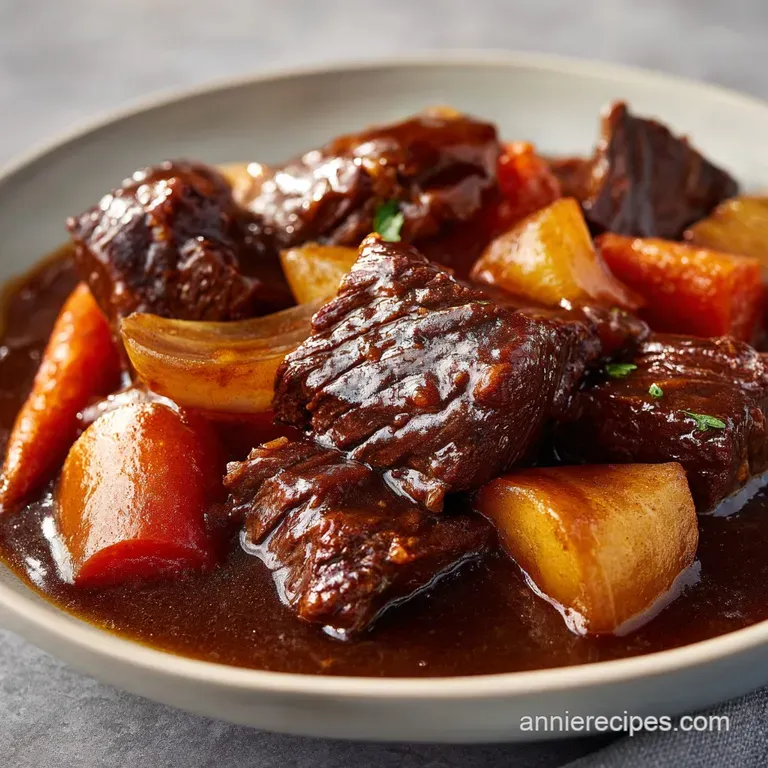
Even the best of us hit a snag now and then. Usually, it's just a matter of timing or heat management.
Troubleshooting Common Issues
| Issue | Solution |
|---|---|
| Why Your Beef Is Tough | If the meat is still chewy after 3 hours, it's usually because the heat was too high. Boiling the meat aggressively can tighten the protein fibers instead of breaking them down. Just put the lid back |
| Why Your Vegetables Are Mushy | This happens when carrots or potatoes are added at the start. They simply cannot withstand 3 hours of heat. Always add your hardy root vegetables in the final stretch of cooking to ensure they have a |
| Why Your Stew Is Too Thin | If your gravy is more like a soup, you can easily fix it. Mix 1 tablespoon of cornstarch with 1 tablespoon of cold water (a slurry) and stir it into the boiling stew for 2 minutes. It will thicken int |
Common Mistakes Checklist
- ✓ Did you pat the beef dry before flouring?
- ✓ Did you sear in batches to avoid steaming?
- ✓ Did you scrape the brown bits (fond) from the bottom?
- ✓ Did you wait to add the vegetables until the end?
- ✓ Is the simmer low and slow rather than a rolling boil?
Adjusting the Quantity
Scaling a beef stew classic one pot dinner is pretty straightforward, but you can't just double everything blindly.
Cutting the Recipe in Half Use a smaller pot (about 3-4 quarts) so the liquid doesn't evaporate too quickly. Reduce the simmering time by about 20%, as a smaller mass of meat reaches temperature faster.
If the recipe calls for one egg (not here, but for future reference), beat it first and then measure out half.
Doubling the Recipe Don't double the salt or spices immediately; start with 1.5x and taste at the end. Liquids can be reduced by about 10% because you'll have less surface area for evaporation relative to the volume.
Most importantly, you must sear the meat in even smaller batches, or you'll end up with a pot of grey beef.
| Budget Tier | Ingredient Choice | Impact | Savings |
|---|---|---|---|
| Premium | Grass fed Chuck | Richer flavor, more nutrients | -$0 |
| Mid Range | Standard Chuck Roast | Classic taste, reliable results | ~$5 |
| Budget | Stew Meat Scraps | Variable tenderness, may need more time | ~$10 |
If you're in the mood for something different but still want that one pot ease, you might love my Easy Lasagna Soup which brings all those Italian flavors into a cozy bowl.
Debunking Kitchen Myths
There's a lot of noise out there about how to cook stew. Let's clear a few things up.
The "Sealing in Juices" Myth You'll often hear that searing meat "seals in the juices." This is simply not true. Moisture loss happens regardless of whether you sear or not. The real reason we sear is for the flavor it's all about that deep, savory crust.
The "Expensive Cut" Myth Some people think you need a prime cut for a great stew. In reality, a lean cut like sirloin will actually be tougher and drier in a slow simmer. You need the fat and connective tissue of the chuck to get that velvety texture.
Storage and Reheating
A beef stew classic one pot dinner is one of those rare dishes that actually tastes better the next day. The flavors have more time to mingle and settle into the meat.
Fridge Storage Store leftovers in an airtight container in the fridge for up to 4 days. The sauce will thicken significantly as it cools, which is totally normal.
Freezer Tips This stew freezes beautifully for up to 3 months. I recommend freezing it in individual portions. Let it cool completely before freezing to prevent ice crystals from forming, which can make the vegetables mushy.
Reheating Guide Avoid the microwave if you can, as it can make the beef rubbery. Instead, put the stew in a small pot over medium low heat. Add a splash of beef broth or water to loosen the sauce and bring it to a gentle simmer.
Zero Waste Hacks Don't throw away your veggie scraps! Collect your onion skins, carrot ends, and celery tops in a freezer bag. Once the bag is full, simmer them with a few beef bones to create a homemade stock for your next batch of stew.
Even the leftover beef fat (tallow) from the sear can be saved and used to roast potatoes for a massive flavor boost.
Perfect Side Pairings
Since this is a beef stew classic one pot dinner, the meal is already quite heavy with potatoes and carrots. You want sides that provide a bit of contrast, either through acidity or crunch.
A crusty piece of sourdough bread is a must. You need something to mop up that velvety gravy so not a single drop goes to waste. I like to toast the bread with a bit of garlic butter for extra punch.
For something fresher, a simple arugula salad with a sharp lemon vinaigrette works wonders. The bitterness of the greens and the zing of the lemon cut right through the richness of the beef, resetting your palate between bites.
If you're feeling extra indulgent, a side of steamed green beans with a squeeze of lime is a great way to add some brightness to the plate.
High in Sodium
1120 mg 1120 mg of sodium per serving (49% 49% of daily value)
The American Heart Association recommends a daily sodium limit of no more than 2,300 mg for most adults to maintain heart health.
Tips to Reduce Sodium
-
Upgrade Your Broth-30%
Replace low-sodium beef broth with unsalted beef stock or a homemade version to significantly cut processed salt.
-
Cut the Added Salt-25%
Reduce or eliminate the kosher salt used for seasoning the beef, relying instead on the natural flavors of the roast.
-
Swap the Sauce-20%
Replace the Worcestershire sauce with balsamic vinegar or a squeeze of lemon juice to maintain the acidic tang without the sodium.
-
Select No-Salt Paste-15%
Ensure you are using a no-salt added tomato paste to avoid the hidden sodium found in concentrated canned pastes.
-
Enhance with Herbs
Double the amount of dried thyme and fresh parsley to provide a more robust flavor profile that distracts from less salt.
Recipe FAQs
Can I adapt this beef stew for a slow cooker?
Yes, it works well. Sear the beef and sauté the vegetables in a pan first, then transfer everything to the slow cooker on low for 8 hours.
Why is my beef still tough after cooking?
The heat was likely too high. Boiling the meat aggressively tightens the protein fibers instead of breaking them down; keep it at a low simmer.
How to prevent the carrots and potatoes from becoming mushy?
Add root vegetables during the final 30 45 minutes of simmering. Adding them at the start causes them to overcook and disintegrate.
How to thicken the stew if the sauce is too thin?
Simmer without the lid for the last 20 minutes. This allows excess liquid to evaporate and naturally concentrate the gravy.
Can I make this without red wine?
Yes, replace the wine with more beef broth. This maintains the liquid ratio, similar to the method used in our one pan chicken dinner.
How to store and reheat leftover beef stew?
Keep in an airtight container in the fridge for up to 4 days. Reheat gently on the stove, adding a splash of beef broth if the sauce has thickened too much.
Is it true that searing the meat doesn't actually add flavor?
No, this is a common misconception. Searing creates a deep brown crust that provides the foundational depth of flavor for the entire pot.
Beef Stew One Pot Dinner