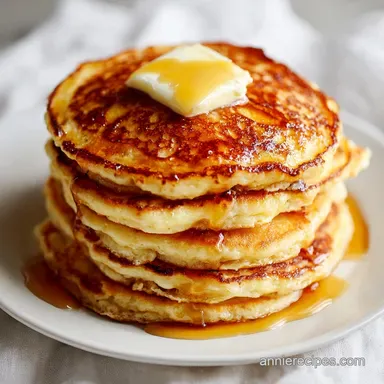
Homemade Pancake Mix: Light and Airy
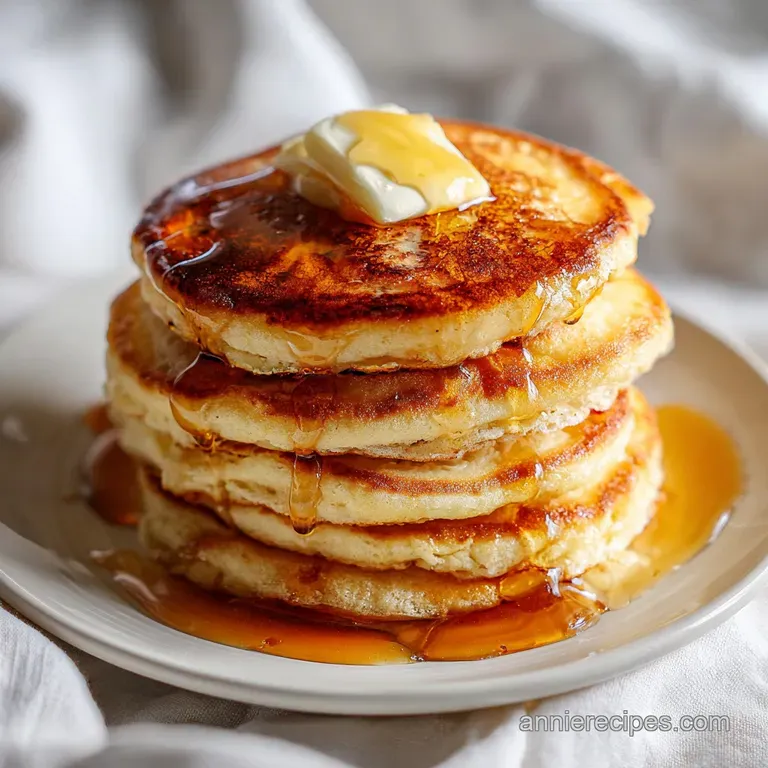
- Time: 5 min active + 10 min cook = Total 15 minutes
- Flavor/Texture Hook: Velvety batter with a golden, mahogany finish
- Perfect for: Busy weekday mornings or weekend brunch meal prep
- Why This Pancake Mix Works
- Component Analysis
- The Pantry Shopping List
- Essential Kitchen Gear
- Step By Step Cooking Flow
- Fixing Common Batter Issues
- Troubleshooting Common Issues
- Scaling For Different Crowds
- Pancake Truths and Lies
- Storage and Freshness Tips
- Best Toppings and Sides
- Recipe FAQs
- 📝 Recipe Card
The smell of browning butter hitting a hot skillet is the only alarm clock I actually enjoy. There's something about that specific sizzle, followed by the sweet aroma of vanilla and toasted flour, that makes a morning feel intentional. For me, the hero of this whole process is the baking powder.
It's the silent engine that turns a flat disc of dough into a cloud.
I used to rely on those big cardboard tubs from the store, but they always tasted like chemicals and left me wanting more. Once I started making my own, I realized the secret wasn't in some exotic ingredient, but in the balance of lift and sweetness. This version gives you that classic diner feel with zero effort.
You're going to love how this pancake mix simplifies your life. We're talking about a dry base you keep in the pantry, so when you're starving at 7 AM, you just add the wet stuff and go. It's fast, satisfying, and way better than anything in a box.
Why This Pancake Mix Works
The goal here is height and a tender crumb. To get that, we have to manage how the flour reacts with the liquids.
- The Lift: A higher ratio of baking powder ensures the batter expands rapidly when it hits the heat, creating those airy pockets.
- The Texture: Using all purpose flour provides enough structure to hold the bubbles without making the pancake tough.
- Sweetness Balance: A small amount of sugar doesn't just add taste, it helps the edges caramelize into a mahogany brown.
- Lump Logic: Leaving small lumps in the batter prevents over developing the gluten, which keeps the result tender rather than rubbery.
| Method | Total Time | Texture | Best For |
|---|---|---|---|
| Fast (This Mix) | 15 minutes | Consistent & Airy | Weekdays |
| Classic Scratch | 25 minutes | Slightly Denser | Slow Sundays |
Component Analysis
Understanding what each dry ingredient does helps you tweak the recipe if you're feeling adventurous.
| Ingredient | Science Role | Pro Secret |
|---|---|---|
| All purpose Flour | Structure | Spoon and level for a lighter lift |
| Baking Powder | Aeration | Replace every 6 months for max height |
| Granulated Sugar | Browning | Adds a subtle crisp to the edges |
| Fine Sea Salt | Flavor Contrast | Cuts through the richness of the butter |
The Pantry Shopping List
For this pancake mix, we keep things simple. You probably have most of this in your cupboard already. I recommend buying your flour in bulk since you'll be using this mix often. If you're looking for other quick bakes, my Cake Mix Cookies recipe uses a similar "pantry base" logic.
For the Dry Mix (The Pantry Base)
- 6 cups (720g) All purpose flour Why this? Provides the necessary protein for structure
- 1/2 cup (100g) Granulated sugar Why this? Aids in browning and sweetness
- 4 tbsp (60g) Baking powder Why this? The primary leavening agent for lift
- 1 tsp (6g) Fine sea salt Why this? Balances the sugar and butter
For the Batter (Added when cooking)
- 2 cups (480ml) Whole milk Why this? Fat content creates a velvety crumb
- 2 Large eggs Why this? Binds ingredients and adds richness
- 4 tbsp (56g) Unsalted butter, melted and cooled Why this? Prevents sticking and adds flavor
- 1 tsp (5ml) Vanilla extract Why this? Adds a warm, aromatic depth
| Original Ingredient | Substitute | Why It Works |
|---|---|---|
| Whole Milk (2 cups) | Buttermilk (2 cups) | Same liquid volume. Note: Adds tang and more lift |
| Whole Milk (2 cups) | Oat Milk (2 cups) | Similar consistency. Note: Slightly nuttier flavor |
| Unsalted Butter | Melted Coconut Oil | Similar fat content. Note: Adds a faint coconut hint |
| Large Eggs (2) | Flax Egg (2 tbsp) | Vegan binder. Note: Denser texture, nuttier taste |
Essential Kitchen Gear
You don't need a fancy setup, but a few specific tools make the flow much faster. A large mixing bowl is non negotiable for the dry base. I use a simple whisk, but a balloon whisk works best for getting rid of flour clumps in the dry stage.
The pan is where the magic happens. A non stick skillet or a cast iron pan is ideal. Cast iron holds heat better, which gives you that consistent, mahogany sear across the entire surface. If you have a griddle, even better, as you can cook more at once.
Finally, get a decent measuring cup. For the flour, don't pack it down into the cup. Spoon it in and level it off with a knife. This prevents the mix from becoming too dense, which is a common mistake with homemade versions.
Step by step Cooking Flow
Right then, let's get into the action. This is a two phase process: you build the pantry base first, then you make the batter when you're ready to eat.
Phase 1: Building the Homemade Pancake Mix
- Whisk together the flour, sugar, baking powder, and salt in a large bowl until combined. Note: Ensure no large clumps of baking powder remain
- Transfer the dry mixture into an airtight container and label with the date.
Phase 2: Creating the Fluffy Batter
- Scoop 1 cup (120g) of the homemade pancake mix into a bowl.
- In a separate small bowl, beat the eggs, milk, melted butter, and vanilla until fully incorporated.
- Pour the wet ingredients into the dry mix and stir with a spoon or whisk just until combined, leaving a few small lumps. Note: Overmixing makes the pancakes tough
Phase 3: The Perfect Sear
- Set a skillet to medium heat and add a small pat of butter until it sizzles and foams.
- Pour 1/4 cup (60ml) of batter for each pancake.
- Wait until bubbles form on the surface and edges look set and matte, then flip once.
- Cook for another 1–2 minutes until mahogany colored on both sides.
Chef's Tip: If your pan is too hot, the butter will brown instantly. If that happens, lift the pan off the heat for 30 seconds before adding the next batch.
Fixing Common Batter Issues
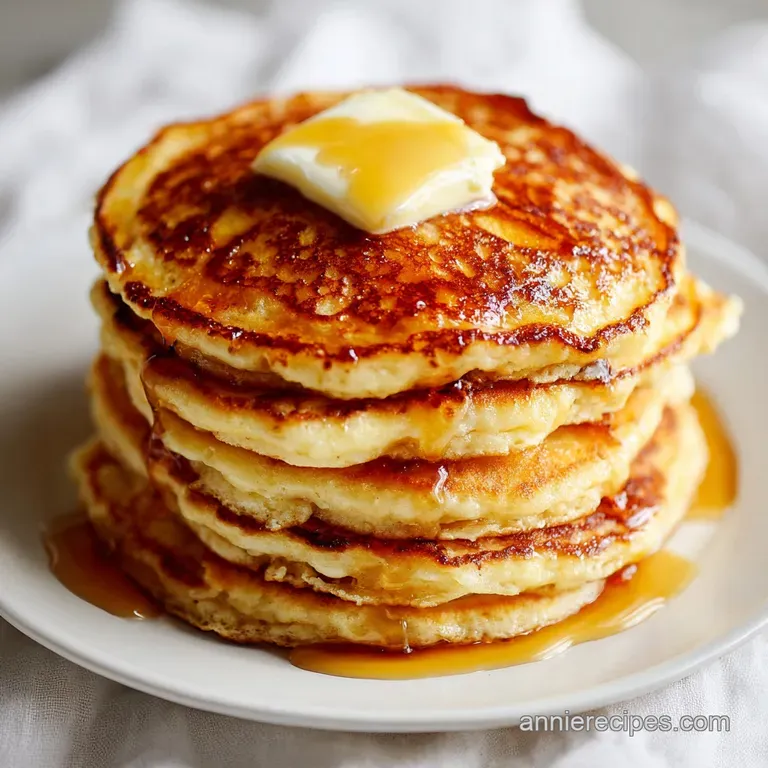
Even with a great pancake mix, things can go sideways if the heat or mixing isn't right. Most issues come down to the "lump logic" I mentioned earlier. If you whisk the batter until it's perfectly smooth, you're developing too much gluten, and your pancakes will feel like rubber.
If you find your batter is too thick to pour, don't panic. Just whisk in a tablespoon of milk at a time until it reaches a velvety consistency. For those who prefer an even more airy result, you can check out my fluffy pancakes from scratch method for a side by-side comparison.
Troubleshooting Common Issues
| Issue | Solution |
|---|---|
| Why Your Pancakes Are Flat | This usually happens if your baking powder is expired. The chemical reaction that creates the bubbles simply stops working. Always check the date on your leavening agents. |
| Why the Texture Is Rubbery | You've overmixed the batter. The more you stir, the more the gluten bonds, which creates a chewy rather than fluffy texture. Stop stirring the second the flour disappears. |
| Why They Burn Outside But Stay Raw Inside | Your heat is too high. The exterior sears before the heat can penetrate the center. Drop your dial to medium or medium low. |
Common Mistakes Checklist
- ✓ Sifting or whisking dry ingredients to avoid powder clumps
- ✓ Using room temperature eggs to prevent butter from seizing
- ✓ Flipping only once to preserve the internal air bubbles
- ✓ Waiting for matte edges before flipping
- ✓ Measuring flour by spooning, not packing
Scaling For Different Crowds
Adjusting this recipe is easy since the dry base is already pre measured. If you're cooking for a crowd, you just need to scale the wet ingredients.
Scaling Down (Half Batch) For a smaller breakfast, use 1/2 cup of the mix. Beat one egg in a small bowl, then whisk in only half of it (about 2 tbsp) to the milk and butter. Reduce your cooking time by about 20% since smaller batches often heat up faster in the pan.
Scaling Up (Double or Triple) When making a massive batch, don't just triple the salt and baking powder. Increase those to 1.5x or 2x instead, as they can become overpowering in large volumes. Work in batches on the griddle to avoid crowding the pan, which drops the temperature and ruins the sear.
Pancake Truths and Lies
There are a lot of old wives' tales in the breakfast world. Let's clear a few up so you can focus on the food.
The "Sift Everything" Myth Some people insist you must sift flour for every single batch. While it helps, a vigorous whisking of the dry pancake mix achieves the same aeration in half the time. Just make sure there are no clumps of salt.
The "More Stirring Equals More Fluff" Myth This is the opposite of the truth. More stirring equals more gluten, which leads to a denser, tougher pancake. Lumps are your friend here.
Storage and Freshness Tips
Since you've made a large batch of dry pancake mix, you need to store it correctly. Keep it in a glass jar or a heavy duty plastic container with a tight seal. It will stay fresh in a cool, dry pantry for up to 3 months.
If you live in a very humid climate, store the container in the fridge to keep the baking powder from reacting with the moisture in the air.
For the cooked pancakes, they keep well in the fridge for 3 days in a sealed bag. To reheat, avoid the microwave if you want to keep the edges crisp. Instead, pop them in a toaster or a dry skillet for 2 minutes.
To reduce waste, if you have leftover batter, don't throw it out. You can fold in leftover berries or diced apple to make a "kitchen sink" pancake. If you have a tiny bit of flour left in the jar, use it to dust your workspace when making other baked goods.
Best Toppings and Sides
While a classic maple syrup is the go to, you can really change the vibe of this pancake mix with different toppings. I love adding a dollop of salted butter and a drizzle of honey for a more floral sweetness.
For something more substantial, try topping them with sliced bananas and a sprinkle of cinnamon. If you want a savory twist, skip the sugar in the dry mix and serve them with fried eggs and crispy bacon. The contrast between the fluffy cake and the salty protein is unbeatable.
For a side, a bowl of fresh mixed berries or a quick yogurt parfait adds the acidity needed to cut through the richness of the butter. It's a fast way to turn a simple breakfast into a full feast.
Recipe FAQs
How do we make pancake mix?
Whisk together the flour, sugar, baking powder, and salt in a large bowl. Transfer the dry mixture into an airtight container and label it with the date for future use.
What is a basic pancake mix?
A shelf stable blend of flour, sugar, baking powder, and salt. This dry base is stored in the pantry and combined with wet ingredients like milk, eggs, and butter when you are ready to cook.
Can a prediabetic have pancakes?
Consult a doctor, as this recipe contains granulated sugar and all-purpose flour. These refined carbohydrates can cause blood glucose levels to spike.
Can heart patients have pancakes?
Consult a healthcare provider because this recipe uses whole milk and butter. The saturated fats in these ingredients may not be suitable for certain heart healthy diets.
Why is the texture of my pancakes rubbery?
You overmixed the batter. Excessive stirring develops gluten bonds that create a chewy texture, so stop stirring the second the flour disappears.
Is it true that pancake batter must be whisked until completely smooth?
No, this is a common misconception. You should leave a few small lumps in the batter to ensure the pancakes stay fluffy rather than dense.
How long can I store the dry mix?
Keep it in a sealed container for up to 3 months. Store it in a cool, dry pantry, or move it to the fridge in humid climates to keep the baking powder from reacting with moisture.
Homemade Pancake Mix